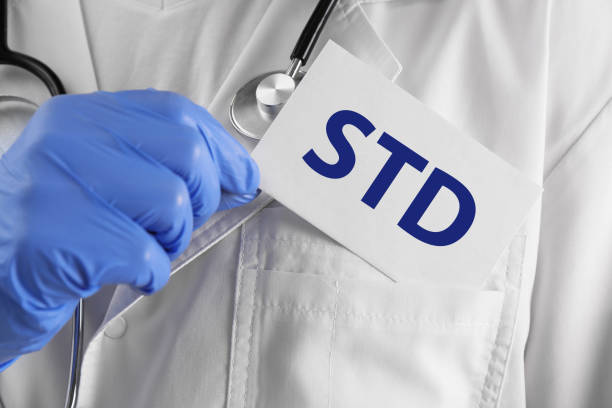
A std treatment clinic provides medical services focused on the assessment and management of sexually transmitted diseases. These clinics are staffed by qualified healthcare professionals who follow established medical guidelines to evaluate symptoms, recommend appropriate testing, and discuss suitable care options. Seeking professional evaluation supports informed decision-making and responsible health management.
Sexually transmitted diseases may present with visible symptoms, mild discomfort, or no symptoms at all. Visiting a std treatment clinic allows individuals to receive clinical assessment even when signs are unclear, supporting early identification and appropriate follow-up based on medical findings rather than assumptions.
What to Expect During a Clinic Visit
When attending a std treatment clinic, the consultation typically begins with a confidential discussion covering symptoms, medical history, and potential exposure risks. Depending on the assessment, laboratory tests such as blood tests, urine samples, or swabs may be recommended to support accurate diagnosis.
Treatment plans vary according to the condition identified. Some infections may be managed with prescribed medication, while others require monitoring and follow-up care. Importantly, a std treatment clinic focuses on clinical management and patient education, without making guarantees, as individual responses differ.
Accessing Professional Care
Individuals seeking a std treatment clinic often prioritise privacy, professionalism, and clear communication. Clinics offering sexual health services aim to provide a respectful environment where patients feel comfortable discussing sensitive concerns. Selecting a reputable provider helps ensure care aligns with recognised medical standards.
For those researching available services, information related to std treatment clinic can help clarify consultation processes and the scope of clinical support offered. Reviewing such details can assist individuals in preparing for appointments.
Follow-Up and Preventive Guidance
Follow-up appointments may form part of care provided by a std treatment clinic, particularly when test results require review or additional monitoring. Healthcare providers may also discuss general preventive measures, such as routine screening and awareness of transmission risks, based on individual needs.
Preventive guidance supports ongoing sexual health by helping individuals understand risk factors and make informed choices. Open communication with healthcare professionals allows concerns to be addressed clearly and responsibly.
Conclusion
A std treatment clinic plays an important role in supporting sexual health through structured assessment, diagnosis, and clinical management. By accessing professional care in a confidential setting, individuals can better understand their health status and make informed decisions without unrealistic expectations.