

Compare prefilled pods vs disposables by cost, convenience, waste, and daily use before choosing a suitable option.
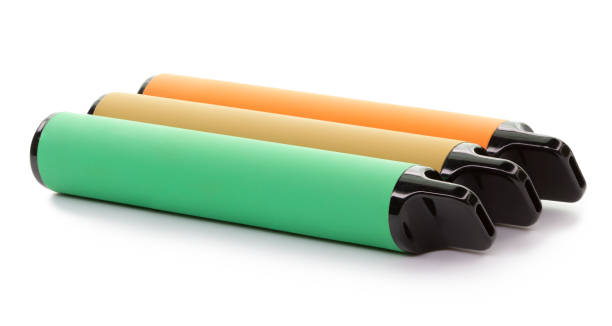
Prefilled pods vs disposables
Choosing between pod-based devices and single-use options often comes down to practical considerations rather than trends. Adult users usually compare ease of use, running costs, portability, and maintenance before deciding which format suits their routine. While both categories are designed for convenience, they work differently in day-to-day use and can lead to different long-term buying habits.
A clear comparison helps avoid choosing based only on first impressions. Some users prefer a format that feels simple from the start, while others value a setup that can be used more consistently over time. Looking at the structure of each option, rather than only packaging or appearance, makes the decision more informed.
How prefilled pods vs disposables differ
The main difference is in how the device is designed for repeated use. Prefilled pod systems generally use a rechargeable device with replaceable pods, while disposable products are intended to be used until depleted and then discarded. This affects not only convenience, but also charging habits, replacement frequency, and ongoing cost.
For many adult users, disposables feel straightforward because they require little setup. There is no need to charge the device in advance or change components separately. That simplicity can appeal to occasional users or people who want a ready-to-use option.
Prefilled pod systems, however, may offer more continuity in everyday use. Once the main device is charged, the user only needs to replace the pod when necessary. This can make the format feel more structured and potentially more practical for those who use it regularly. Over time, that design may also influence how often a person needs to repurchase a full device.
Cost, convenience, and maintenance
Cost is one of the biggest decision points. A disposable may have a lower upfront barrier because everything is included in one product. At the same time, repeated purchases can add up if the user relies on that format regularly. A rechargeable pod device may involve a higher initial spend, but later purchases may focus only on pod replacements.
Convenience is more nuanced than it first appears. Disposables reduce setup, but they also depend on replacing the entire unit once it is finished. A pod-based format may involve charging and some planning, yet it can offer a more predictable routine for ongoing use. The better option often depends on whether the user values immediate simplicity or longer-term consistency.
Maintenance is also worth considering. Neither format is especially complex, but a rechargeable system asks for slightly more attention. Users need to keep the battery charged and ensure compatible pods are available. In return, they may gain a device that feels more stable as part of a daily routine.
Which option may suit different users
There is no universal answer because needs vary. An occasional adult user may prioritise minimal setup and view a disposable as sufficient for short-term convenience. Someone who wants a more repeatable format may prefer a rechargeable pod system because it separates the device from the consumable component.
Environmental considerations may also influence the decision. A format built around replacing only the pod may reduce how often the full hardware is discarded, which matters to some buyers when comparing long-term use patterns.
Final thoughts
When comparing device types, the better choice usually depends on usage frequency, budget expectations, and how much simplicity or routine the user wants. For adult consumers researching prefilled pods vs disposables, a practical comparison of design, maintenance, and repeat costs can lead to a more suitable decision.
More reading
- Property Investment Johor Bahru: A Lucrative Opportunity
- Citizen 2 Residence: Modern High-Rise Living in Old Klang Road
- Part Time Jobs Near Me: Your Guide to Flexible Work in Singapore