

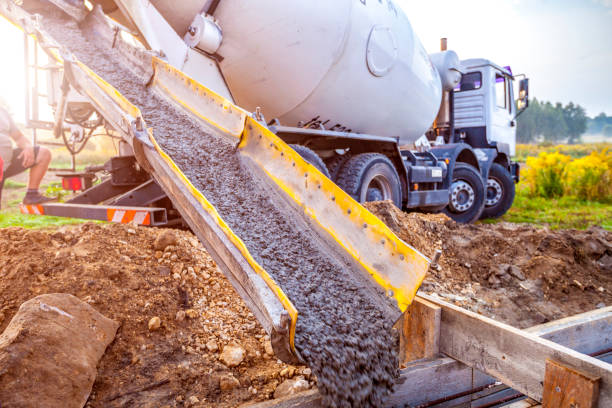
In construction, material selection affects both structural performance and project efficiency. Among the most widely used building inputs, cement plays a central role in forming mortars, concrete, screeds, and other mixes required for residential, commercial, and infrastructure work. It acts as a binding material that helps combine aggregates and water into a solid mass after setting and hardening. Because it is used across many stages of construction, understanding its purpose and selection criteria is important for contractors, developers, and buyers.
This material is valued for its versatility. It can be used in foundations, slabs, columns, plastering, bricklaying, and repair works, depending on the formulation and intended application. Different project types may require different strength classes, setting times, or resistance properties, so specifications should always match the technical demands of the job rather than relying on a one-size-fits-all approach.
What It Does in Construction
The main function of this binding ingredient is to hold other materials together and create a durable finished structure. Once mixed correctly, it supports compressive strength and contributes to the stability of walls, floors, pavements, and structural elements. Its performance, however, depends on more than the bag itself. Mix ratio, water control, curing conditions, and workmanship all influence the final result on site.
For this reason, buyers should look beyond price alone. Storage condition, packaging quality, freshness, and product suitability all matter when planning supply for a project. Those comparing product options can review cement based on project scope, quantity requirements, and compatibility with the type of work being carried out.
Key Properties to Review
Several characteristics should be assessed before making a purchase decision. Setting time is one of the first practical factors, especially for projects with tight installation schedules or changing weather conditions. Compressive strength is another major consideration because it affects how the final mix performs under load. In addition, consistency in manufacturing can influence workability and mixing behaviour on site.
Moisture exposure is also important. This material should be stored in a dry and protected area because contact with humidity can reduce its usability before application. On active jobsites, good storage practices help prevent waste and support more predictable results during mixing and placement. Contractors should also consider how transportation and on-site handling may affect quality before use.
How to Choose the Right Option
Selection should begin with the application. Structural pours, masonry work, rendering, and repair tasks may each require different product characteristics. Buyers should assess strength needs, curing expectations, environmental exposure, and the size of the project before ordering materials. It is also useful to calculate volume requirements carefully so that supply remains aligned with the work schedule and site storage capacity.
A reliable supplier can also make a difference. Clear product information, available stock, and consistent delivery planning help reduce delays and improve coordination across the project timeline. Even a high-quality material can underperform if it is poorly stored, mixed incorrectly, or used outside its intended purpose.
In summary, cement remains a core construction material because it supports strength, bonding, and long-term structural performance across a wide range of applications. Before purchasing, review the intended use, site conditions, and handling requirements carefully. A well-informed choice can support smoother project planning and help teams move forward with greater confidence in the material selected before mixing.