

Bottle Teat: Choosing the Right Teat for Comfortable Baby Feeding
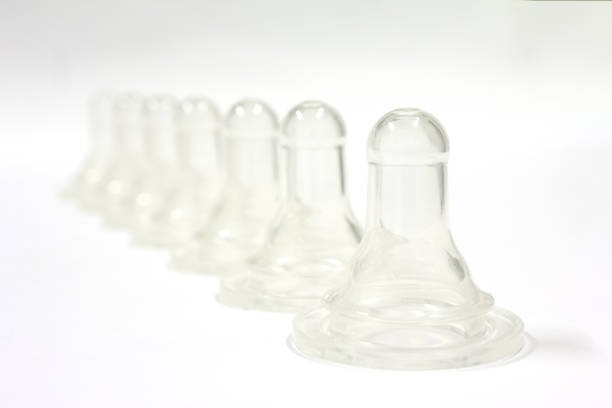
Selecting the right bottle teat is an important part of creating a comfortable feeding experience for your baby. The teat plays a key role in controlling milk flow and supporting feeding at different stages of a baby’s development. As babies grow, their feeding patterns and nutritional needs change, making it helpful for parents to understand the different teat sizes and features available.
Choosing an appropriate teat can contribute to a smoother and more comfortable feeding routine.
What Is a Bottle Teat?
A bottle teat is the feeding attachment fitted to a baby bottle, allowing milk or formula to flow during feeding. Bottle teats are available in various sizes, shapes, and flow rates to accommodate newborns as well as older babies with different feeding abilities.
Parents looking for a bottle teat can explore products designed for different developmental stages and feeding preferences. Selecting the correct teat size helps provide an appropriate milk flow based on the baby’s age and feeding habits.
Following the manufacturer’s recommendations can help parents choose the most suitable option.
Factors to Consider When Choosing a Bottle Teat
Several factors influence the selection of a bottle teat, including the baby’s age, feeding speed, and comfort during feeding. Newborns generally require slower flow teats, while older babies may benefit from faster flow options as their feeding abilities develop.
A bottle teat is also available in different materials and shapes. Parents may consider compatibility with their feeding bottles, ease of cleaning, and the recommended replacement schedule when making their choice.
Selecting the right teat helps support a consistent feeding routine.
Proper Care and Replacement
Maintaining good hygiene is essential for feeding accessories. Bottle teats should be washed thoroughly after every use and sterilised according to the manufacturer’s instructions. Regular inspection is also important, as signs of wear such as cracks, tears, or discolouration may indicate that the teat should be replaced.
Replacing bottle teats at appropriate intervals helps maintain product performance and supports safe feeding practices.
Following proper care instructions also helps extend the usability of feeding accessories.
Supporting Your Baby’s Feeding Journey
Every baby develops at their own pace, and feeding preferences may change over time. Parents should observe how their baby responds during feeding and adjust teat size or flow rate when appropriate based on the manufacturer’s guidance.
Consulting healthcare professionals can also provide additional support if parents have questions about feeding routines or product selection.
Conclusion
Choosing the right bottle teat helps support a comfortable and practical feeding experience for both babies and caregivers. By selecting the appropriate teat size, maintaining proper hygiene, and replacing worn components regularly, parents can establish a reliable feeding routine that adapts to their baby’s changing needs.
More from the blog: Seven Transit Mistakes That Put Precious Goods in Harm’s Way and Data Analytics Consulting Malaysia: Transform Information Into Strategy with ABeam Consulting.