

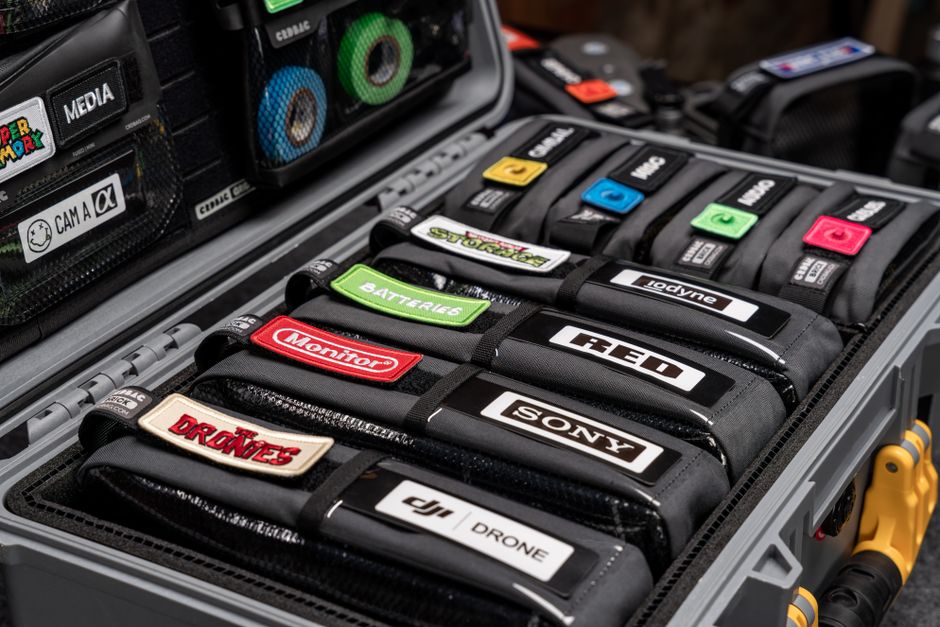
A secure vehicle and a locked case do not remove every danger involved in transporting precious goods. Jewellery can be scratched, bent, misplaced or exposed to moisture without any dramatic security breach taking place. Managing jewellery transit risk therefore means looking beyond theft and examining how people pack, document, handle and receive each consignment. Many of the common causes of damage in transport are ordinary mistakes that become expensive because nobody notices them until arrival.
Mistake 1: Treating every item as equally fragile
Gold chains, loose stones, watches and display pieces do not respond to movement in the same way. A heavy watch can strike a polished bracelet, while a fine necklace can become tangled around a setting or clasp. Packing everything together because it is travelling to the same destination creates avoidable contact and pressure.
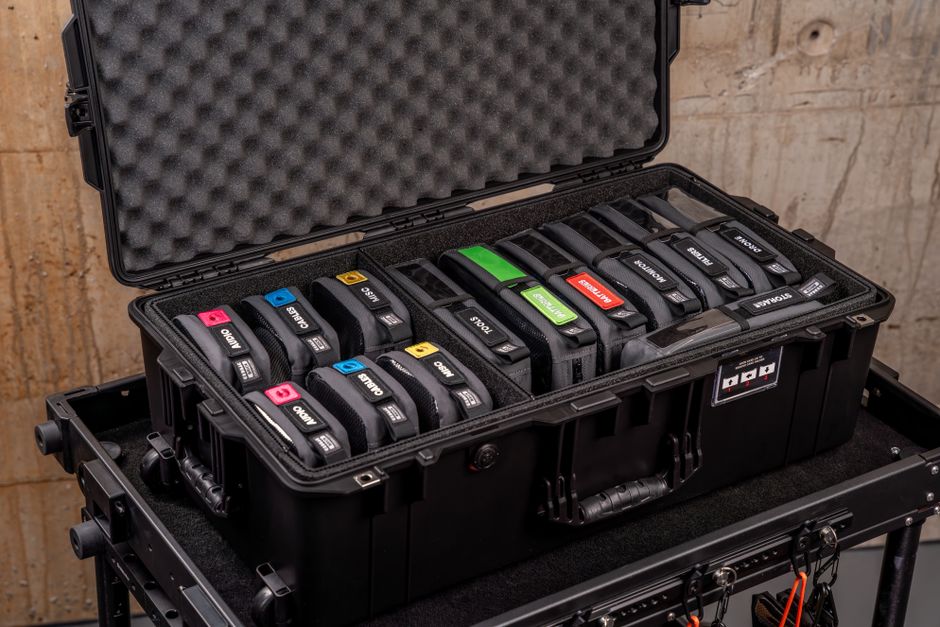
Items should be separated according to their shape, weight, surface and vulnerable components. Ring claws, hinged parts, delicate settings and long chains deserve particular attention. Staff should also check whether pieces can move inside their individual compartments when the case is gently tilted, rather than assuming a fitted tray will hold everything firmly.
A wider guide to the risks of moving high value stock between locations can help retailers, wholesalers, exhibitors, couriers and collectors consider damage alongside theft, fraud, environmental exposure and documentation issues.
Mistake 2: Believing the outer case does all the work
A tough outer container may resist knocks, but it cannot compensate for poor packing inside. Empty space allows trays or individual boxes to shift during braking, cornering and loading. Excessively tight packing can be just as troublesome because pressure may be transferred directly to clasps, mounts or decorative elements.
The internal arrangement should prevent movement without placing force on the goods. Clean, non-abrasive dividers and suitable cushioning can separate items, while tamper-evident controls can make unauthorised access easier to identify. Packaging materials should also be checked for loose fibres, dust or rough edges that could mark polished surfaces.
One misconception is that packaging can be reused indefinitely if it still looks presentable. Foam can compress, dividers can loosen and fabric linings can collect particles. A simple inspection before every dispatch is more useful than judging the container by its exterior alone.
Mistakes 3 and 4: Ignoring weather and rushing handovers
Malaysia’s heat, humidity and sudden rain create practical problems, especially when consignments pass through exposed loading areas. Moving goods quickly from an air-conditioned room into warm, humid air may encourage condensation on cool surfaces or inside packaging. Water can also reach a case during the short walk between a vehicle and a building.
Environmental controls need not be complicated. Keep consignments away from open loading bays while paperwork is completed, use appropriate moisture-resistant outer protection and avoid leaving cases in stationary vehicles. If temperature changes are significant, allow goods to adjust in a controlled indoor area before opening them.
Handover speed is another source of trouble. When staff are hurried, seals may go unchecked, package condition may not be recorded and responsibility can become unclear. Record who released and received the consignment, when the transfer occurred, whether identification was verified and whether there was visible damage before acceptance.
Mistakes 5 and 6: Focusing only on outsiders and trusting memory
Theft is often imagined as an attack by an unknown person, but weak internal controls can also expose valuable goods. One employee preparing, recording and releasing a consignment without an independent check creates an opportunity for errors, substitution or deliberate misconduct. Access should be limited according to role, with separate approval or verification at sensitive handover points.
Transport details should be shared only with people who need them. Repeated routes, casually discussed schedules and unattended paperwork can reveal useful information. Controls should remain practical, however, as excessively complicated procedures may encourage staff to bypass them.
Memory is not an adequate stock record. Item references, package counts, seal identifiers, collection times and receiver details should be documented consistently. Photographs taken under an agreed process can also record packing condition without exposing sensitive information more widely than necessary.
Patterns in those records may reveal recurring packaging failures, delayed routes or handling problems. Businesses interested in using operational records more effectively may find this overview of data analytics consulting in Malaysia useful as broader background on converting information into decisions.
Mistake 7: Treating compliance as paperwork for later
Cross-border transport, trade events and commercial deliveries may involve declarations, identification records or other documentation. Missing or inconsistent information can cause delays, additional handling and uncertainty about who has custody of the goods. That extra handling can increase both physical exposure and the opportunity for discrepancies.
Regulatory obligations depend on the goods, route and type of transaction, so businesses should verify current requirements through appropriate professional or official channels. For general Malaysian financial-market and corporate information, the Securities Commission Malaysia is an established official reference.
Good documentation also supports internal review after a damaged or incomplete delivery. The aim is not simply to assign blame, but to identify where the process failed. Was the item damaged before packing, did the package move inside its case, was it exposed during transfer, or did the receiving check miss a visible problem?
The common causes of damage in transport usually form a chain rather than a single dramatic event. A worn divider, rushed dispatch and wet loading bay may combine to harm an item that would have survived any one of those conditions alone. To improve jewellery transit risk controls, begin by observing one complete movement from packing to receipt and record every point where goods are touched, left waiting or transferred between people.