

Industrial Cutting Inserts Malaysia: A Practical Selection Guide
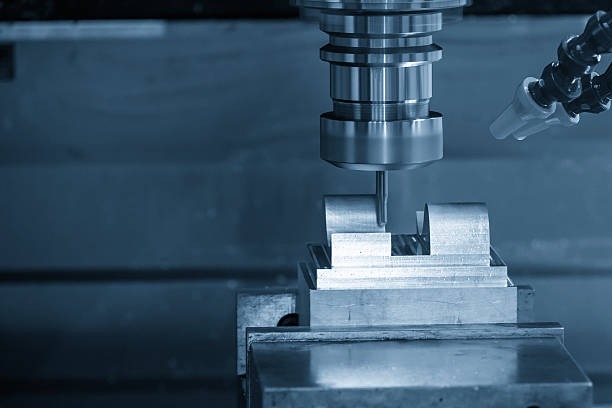
Machining operations depend on cutting tools that can remove material accurately while maintaining productivity and consistent component quality. industrial cutting inserts malaysia are replaceable cutting elements used with compatible tool holders for operations such as turning, milling, boring and other metalworking processes.
Selecting an appropriate insert involves more than matching its physical dimensions to a tool holder. Workpiece material, insert geometry, coating, cutting speed, feed rate and machining conditions can all influence performance. Understanding these factors can help manufacturers make more informed tooling decisions.
Understanding Industrial Cutting Inserts
Cutting inserts are replaceable components designed to provide the cutting edge of a machining tool. When an edge becomes worn, the insert can typically be indexed to another usable edge where the design permits or replaced without changing the complete tool holder.
Manufacturers evaluating industrial cutting inserts malaysia should begin by identifying the machining operation and workpiece material. Providing details about the machine, tool holder, cutting conditions and required finish can also help suppliers identify suitable options.
Compatibility should always be confirmed before an insert is used in production.
Match the Insert to the Workpiece Material
Different materials behave differently during machining. Steel, stainless steel, cast iron, aluminium and other alloys can generate different levels of heat, cutting forces and chip characteristics.
Insert grades are therefore developed with particular machining conditions and material groups in mind. Using an unsuitable grade may contribute to premature wear, poor surface finish or inconsistent machining.
Manufacturers should review technical recommendations for the material being processed rather than selecting an insert based solely on price.
Consider Insert Geometry
Geometry is another important factor when choosing industrial cutting inserts malaysia. Insert shape, rake angle, cutting-edge preparation and chip-control features can influence how material is removed from the workpiece.
Roughing operations may have different requirements from finishing processes. Similarly, interrupted cuts can place different demands on an insert compared with continuous machining.
The appropriate geometry should correspond with the operation, workpiece and desired production outcome.
Understand the Role of Coatings
Many cutting inserts feature specialised coatings intended to support performance under particular machining conditions. Depending on the insert, coatings may contribute to wear resistance, heat management or other characteristics.
However, a coated insert is not automatically appropriate for every application. Manufacturers should consider the complete insert grade and recommended operating range when comparing products.
Optimise Cutting Parameters
Even a correctly selected insert may perform poorly when used outside suitable cutting conditions. Cutting speed, feed rate and depth of cut should be established according to the insert, material and machining operation.
Machine rigidity and coolant conditions may also affect results. Monitoring actual production performance can help operators identify whether adjustments are necessary.
Monitor Tool Life and Wear
Regular inspection of cutting edges can help manufacturers identify normal wear as well as unusual chipping, cracking or deformation. Tracking insert life across production batches may also provide useful information for improving machining consistency.
Replacing inserts at an appropriate point can help reduce the possibility of unexpected tool failure affecting components or production schedules.
Evaluate Supplier Support
When sourcing industrial cutting inserts malaysia, manufacturers can consider product availability, technical documentation, compatible tooling, lead times and application support. Reliable access to commonly used inserts can be particularly important for continuous production.
A supplier that understands machining requirements may also assist businesses in comparing available tooling options.
Conclusion
Industrial cutting inserts are important consumable tools for efficient and consistent machining. Selecting the right option requires consideration of workpiece material, insert grade, geometry, coating and cutting parameters. By combining appropriate tooling with systematic wear monitoring and reliable sourcing, manufacturers can develop a more controlled approach to machining operations.
Also on this site
- Auto Life Insurance Malaysia: Protect Your Car Loan and Your Loved Ones
- Why an MBBS Course in Malaysia Matters for Future Medical Students